
Egypt has a generally high temperature, particularly during the summer months from May to August, when the sun can be very strong and temperatures above 30 degrees Celsius. If you’re visiting Egypt during this time, take plenty of sunscreen and drink lots of water. It’s still fine to visit Egypt at these times of year and the heat is drier than humid.
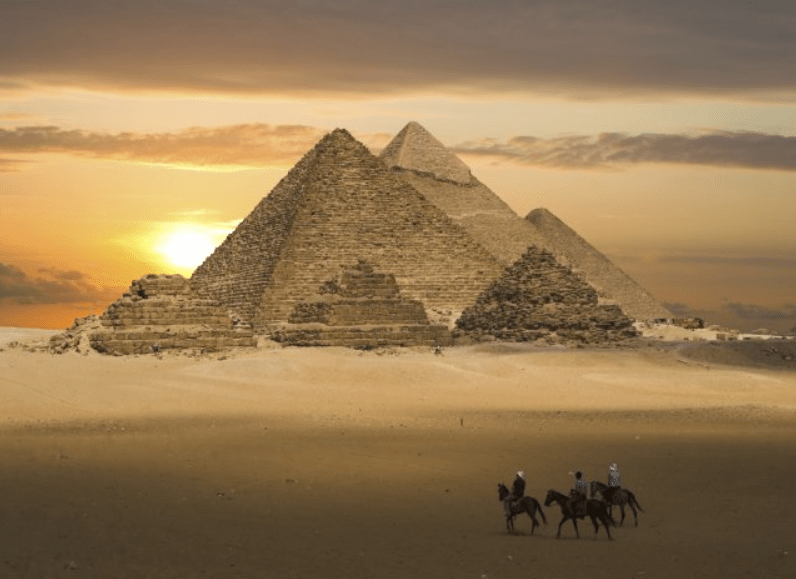
In Cairo and the Nile Delta region, winter (October to February) can be cooler, especially in the evenings and at night, so take a jacket, long-sleeved tops and trousers. The south remains warm during this time but again, temperatures do drop in the evenings. This is the best time to visit Egypt for sightseeing if you want to avoid the hot sun.
The shoulder months of September, March and April offer pleasant daytime temperatures and are considered the perfect time to enjoy the Red Sea for sunbathing, swimming and snorkelling. Scuba diving can be enjoyed year-round in places such as Hurghada.
However, it depends on the climate you are used to and the area you want to visit. It is personal to everyone depending on their health, country of origin and personal preferences for heat versus cold. Then to add to the mix have you found that when it’s hot you want to be cool and when it cold you want to be warm?
How to enjoy the heat in Egypt?
A well planned schedule
Remember the weather is only outside. Every building is air-conditioned and most ancient sites you will visit are big, with roofs and walls of varying heights providing shade and rooms through which cooling air flows. A well-planned schedule for going outside is the best way to guarantee an enjoyable experience. During the summer months Egyptians stay indoors and sleep during the day as much as possible and the streets come alive with shoppers and people getting together for social life at night-time, especially Cairo where some places such as Khan El Khalili are popular night spots for meeting up with friends for coffee etc. For the tourist who needs to see the monuments this is not possible. But outside of the monuments there is much that the tourist can see and experience at night-time. It is possible to plan a schedule that allows for a nap during the heat of the day and a later night time adventure – a good way to get the most out of your time.
Personal bag
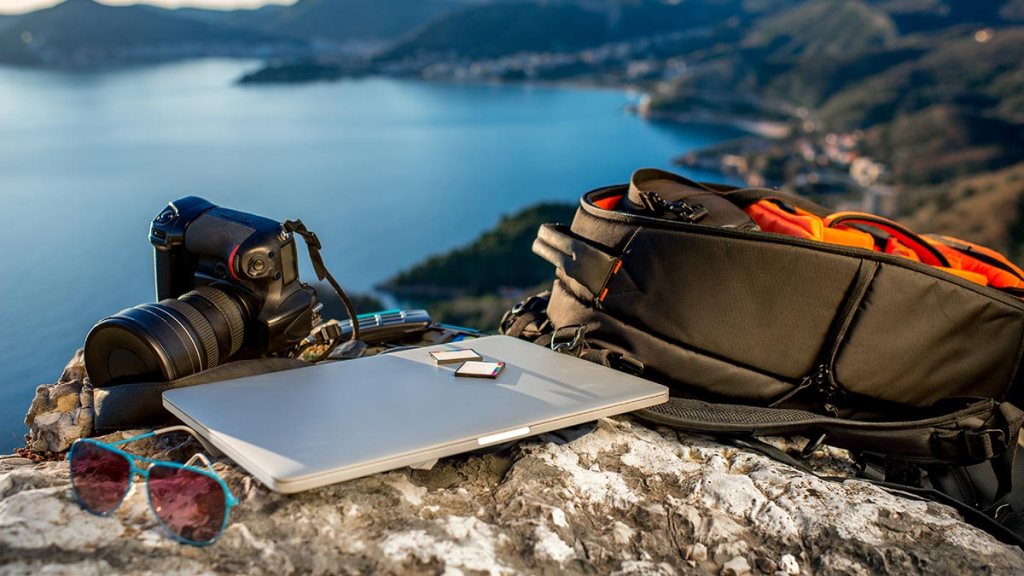
Put some thought into leaving the handbag at home in favour of a nice, lightweight, carry-all bag with secure closure mechanism, which you take everywhere with you during the day. It should be big enough to hold your drinking water (small bottles easiest), money, camera, phone, sun-screen and sun-glasses when you take them off (be surprised how many lose them).
It’s better to leave makeup at the hotel, as it could melt by the time you get indoors again.
Cooling down
Use a water spritzer instead of a hand-held fan to cool your face. Using a fan to cool your face makes your brain believe you are cold therefore your body responds by turning up the heat – try it. Instead carry a little bottle with a spray top – an empty, well-washed out perfume bottle which you can keep refilling with water is the best idea. Giving your face a fine spray of water is refreshing and also beneficial to the skin in the dry heat.
Protect yourself from heat
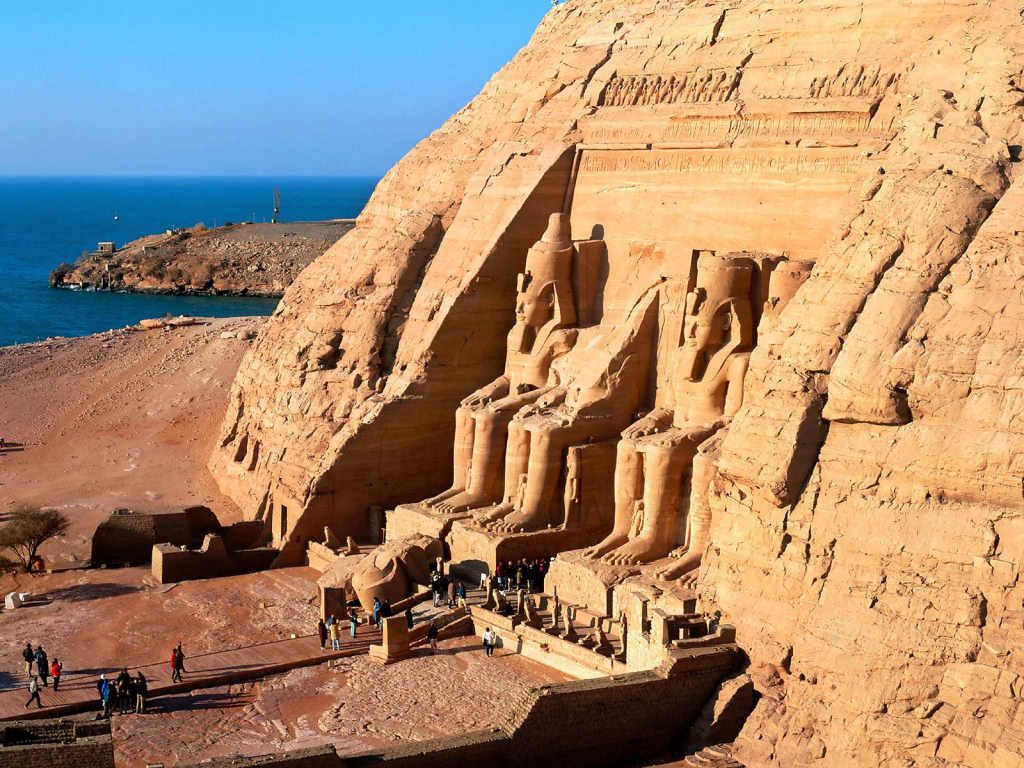
- Even if you are trying to get a tan, wear a hat. It is the rapid, alternating heating and cooling of your skin as much as the rays of the sun that tan your face and wearing a hat will not hinder the tanning process significantly.
- Wear good sun-glasses, large ones that cover the entire eye and side of the eye are best. Buy a pair whose rims are not touching the top of your cheeks when smiling because the rims will heat up and be uncomfortable.
- Set the AC to no more than 15 degrees lower than the outside temperature because if set at a bigger difference value, when you go outside the heat will feel more stressful.
- Remember the back of your neck, such a vulnerable place to sunburn especially if in an air-conditioned bus or car with the sun shining in the window. Buying a light cotton scarf or two at the first market stall you pass is a suggestion. They are everywhere, lovely and so cheap if you practice your bargaining skills.
- Wear cotton pyjamas/night-dress, cotton is better than synthetic to wear in bed also.
- Using an umbrella or good sun-shade not a bad idea.
- Use sun-screen.
- Wear cotton and loose clothing.
- Don’t wear sandals, as your toes can easily get burned even while walking and putting sun-screen in open sandals, and it also could make them slippery. You might like to bring sneakers or light comfortable walking shoes for places like the Valley of the Kings which is probably the hottest place you will visit and being surefooted there as well as not getting sunburnt toes is important
- Enjoy the dry heat, it’s good for your body and I believe that in some way our bodies store it up for those of us who live most of the year in colder climates.
Best time to visit Egypt by region
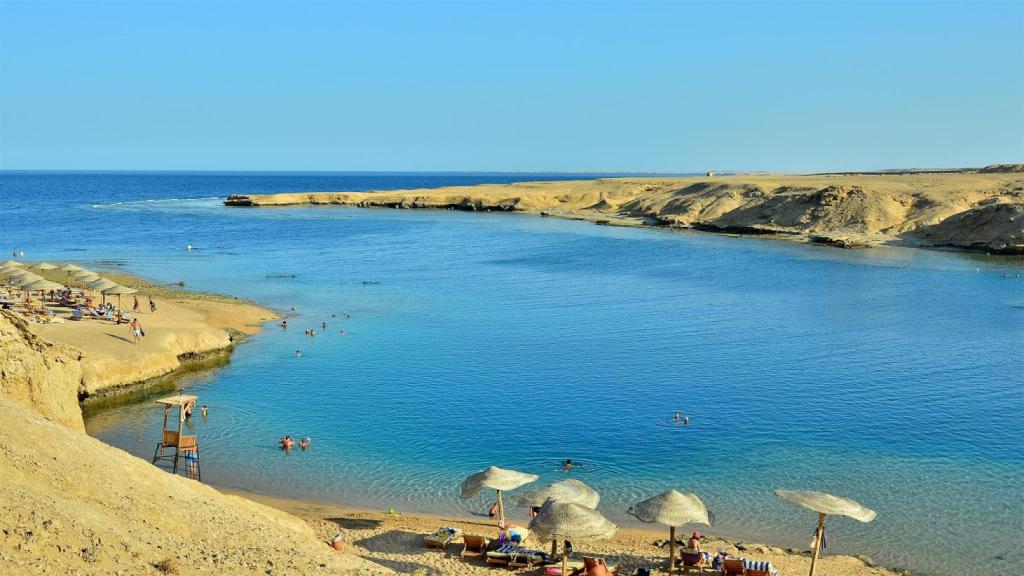
Egypt is quite the large country (390,000 square miles) and it’s probably no big surprise the climate varies a bit from region to region. As you will probably travel around a bit (read my perfect 14 days Egypt itinerary for some inspiration), it pays off to look at the differences.
- Cairo
April or October are probably the best months to visit Cairo, as both Luxor and Hurghada/Sharm El-Sheik won’t be too hot around that time yet. That way, you have pleasant temperatures during your whole trip. - Luxor and Aswan
Both Luxor and Aswan are located deep down in the Sahara desert. While the River Nile shrouds the Ancient Egyptian cities into a small band of greenery, it does not really help to cool down the temperatures. March, April, October, and November offer a good mixture between not overly hot days and pleasantly warm nights. - Hurghada and Sharm El Sheikh
Again, the best time to visit these parts of Egypt is probably April, May, September and October, but if you don’t mind the heat and frequently take a dip in the pool/sea, even the summer is possible. Temperatures around 96°F (36°C) are quite common in July and August. - Best Time to Cruise the Nile
The best time to book a Nile cruise is between October and April. Temperatures are manageable at this time of year, allowing you to get the most out of day trips to iconic sights like the Valley of the Kings and the temples of Luxor. For the same reasons, travel during the peak summer months of June to August is not advised. Average highs for Aswan exceed 104 degrees F at this time of year, and there isn’t a lot of shade to offer respite from the midday sun.
Travelling during Festival & Public Holidays
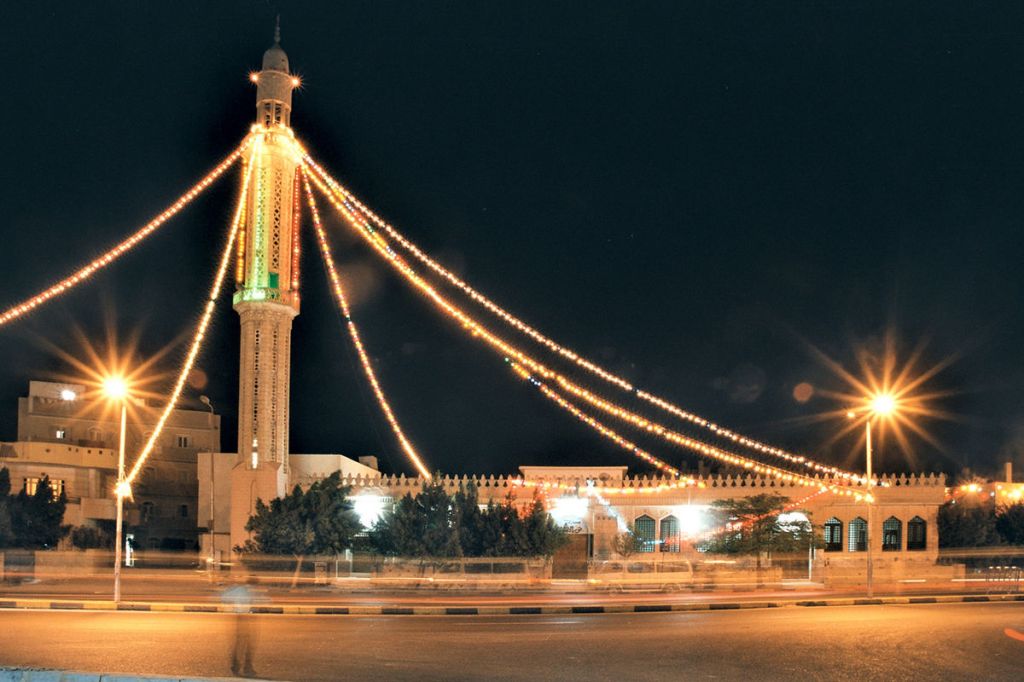
It is known all around the world that Ramadan is a holy month for Muslims when they don’t eat during the daytime. Most of the cafés and restaurants are closed during that part of the year in Egypt except for the touristic sites, hotels, and restaurants. At the end of Ramadan, there are many festivals and celebrations. You can enjoy it through witnessing the Egyptian celebration with Eid El-Fitr and the festivals of all the major shops and restaurants in different areas.
After this occasion, there is another outstanding eid, which is Eid El-Adha. So every year, Muslims all around the world celebrate this occasion in a splendid 4 days celebration.
 Egypt Travel Guide