
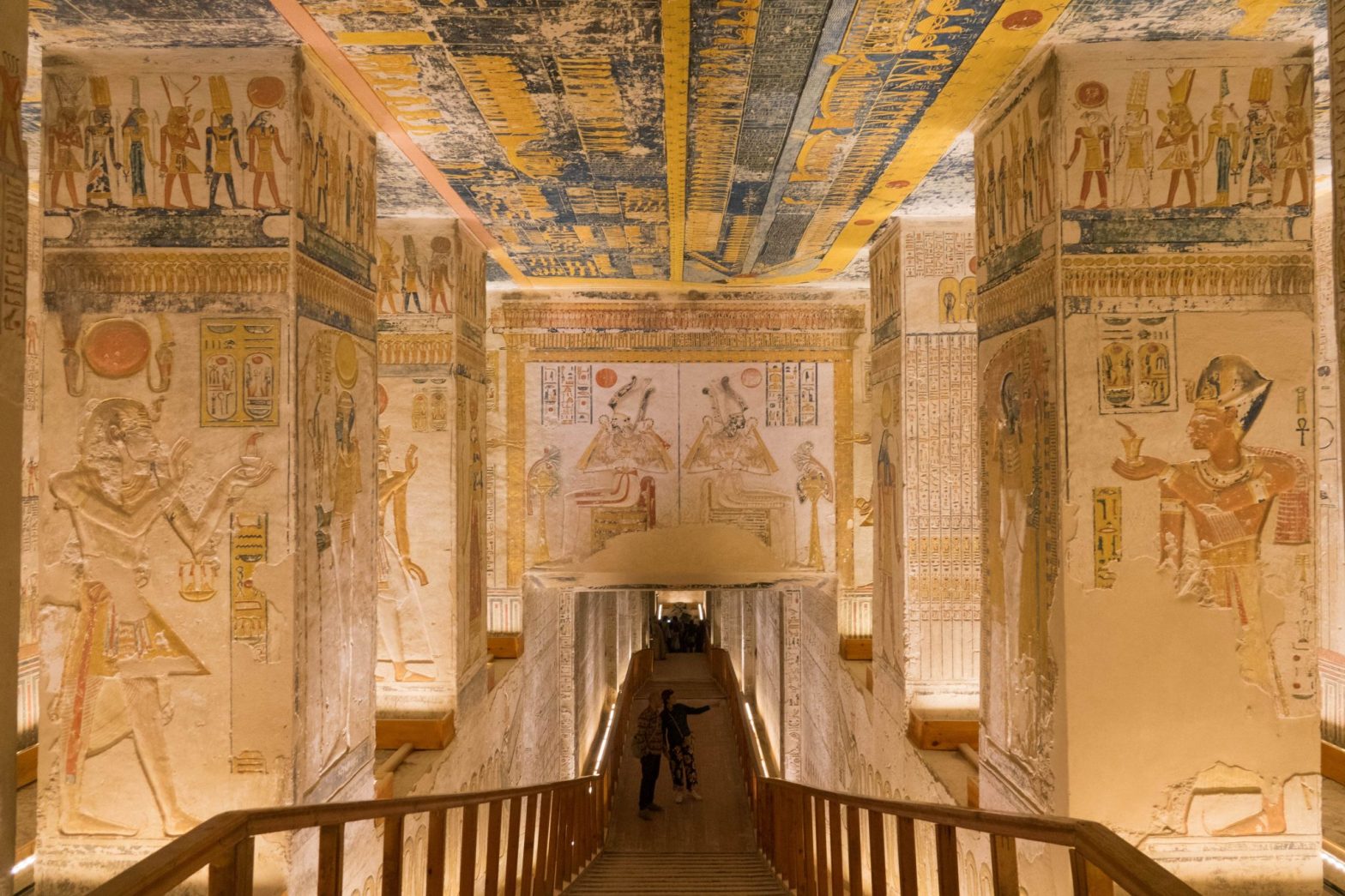
Luxor stands head-and-shoulders above Egypt’s other towns for its sheer wealth of temples and tombs. This was the site of ancient Thebes, the great city of the Middle Kingdom and New Kingdom pharaohs, who covered the banks of the Nile with their mammoth building works and began the vast tomb structures snugly hidden amid the rocky valley of the West Bank. The scope of their ambition is best appreciated today in the magnificent Karnak Temple complex, but there are so many monuments here that you could easily spend a week simply soaking up the elegance and grandeur.
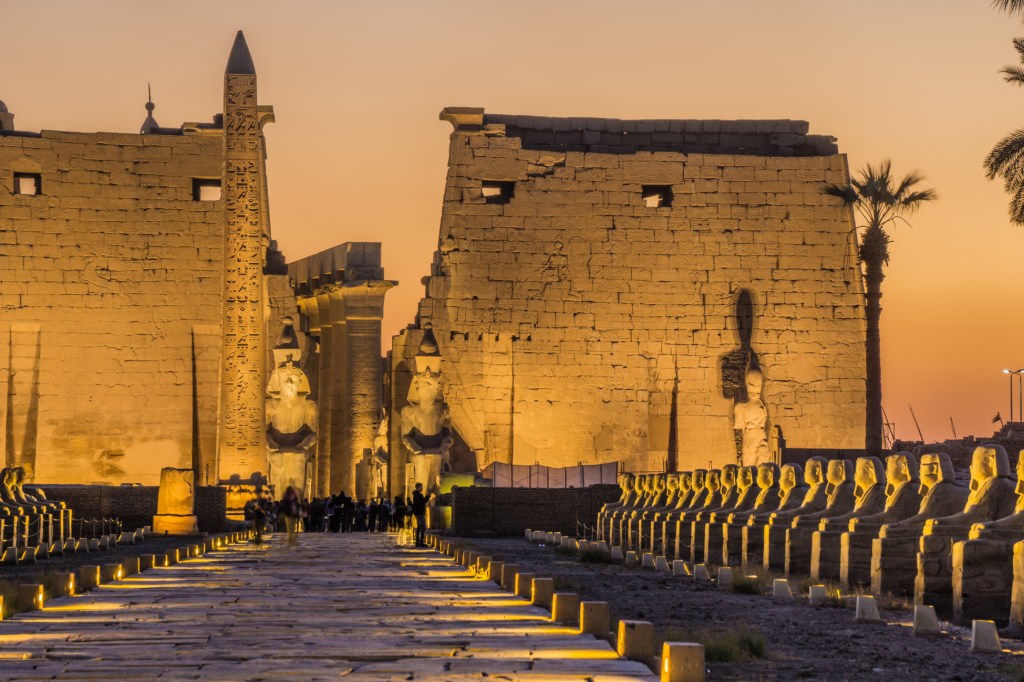
Luxor is basically an open-air museum, and a trip there is all about soaking up the city’s rich past and simply losing yourself in the wonders of the ancient world. For a crash course in Egyptian history before exploring Luxor’s ruins, check out the Luxor Museum. Once you’ve seen the museum’s mummies and artifacts, make your way to the city’s famous temples and tombs. Though you’ll want to plan enough time to see them all, must-see sights include the Karnak Temple Complex, the Valley of the Kings and the Temple of Hatshepsut.
How to select What to Include on your List
For any given destination, the Best Things to is to select based on:
- What major travel publications recommend you do and see
- A sampling of the opinions real travelers have expressed across the web, and in select destinations
- Recommendations from local experts, such as hotel concierges, tourism board representatives and travel, food and lifestyle editors at local newspapers or magazines.
According to those points, we selected top places and things to do in Luxor.
Places to visit
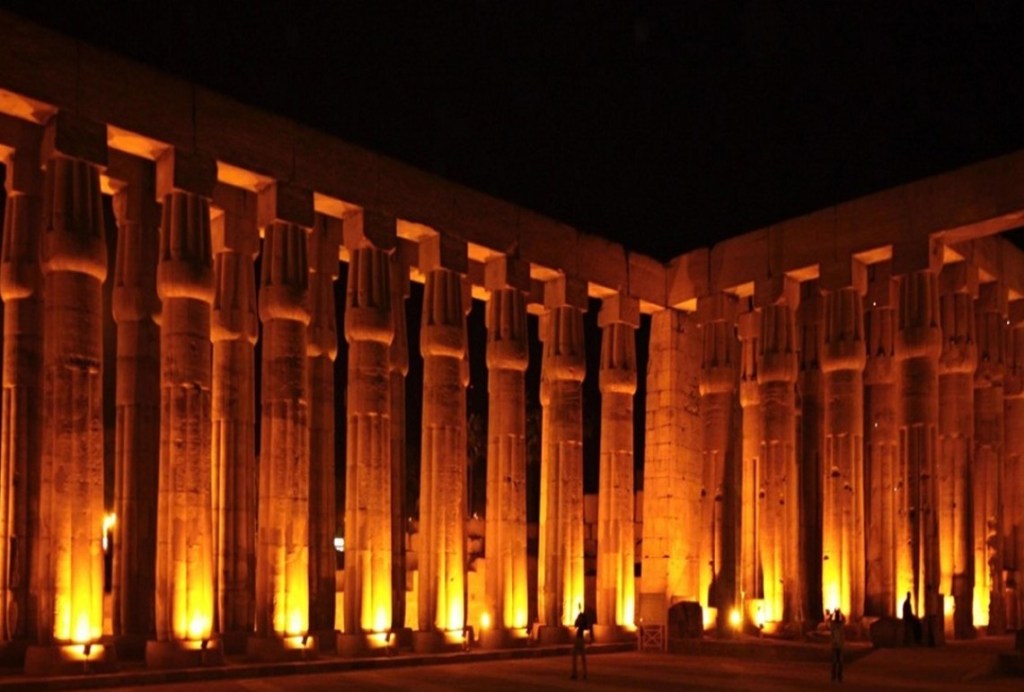
Luxor is divided into two main sightseeing areas; the west bank and the east bank.
- Sights of East bank
- Luxor Temple
- Karnak Temple
- Luxor Museum
- Mummification Museum
- Sights of West bank
- Valley of the Kings
- Valley of the Queens
- Medinet Habu (memorial temple of Ramesses III)
- The Ramesseum (memorial temple of Ramesses II)
- Deir el-Medina (workers’ village)
- Tombs of the Nobles
- Deir el-Bahri (Mortuary Temple of Hatshepsut, etc.)
- Malkata (palace of Amenophis III)
Valley of the Kings
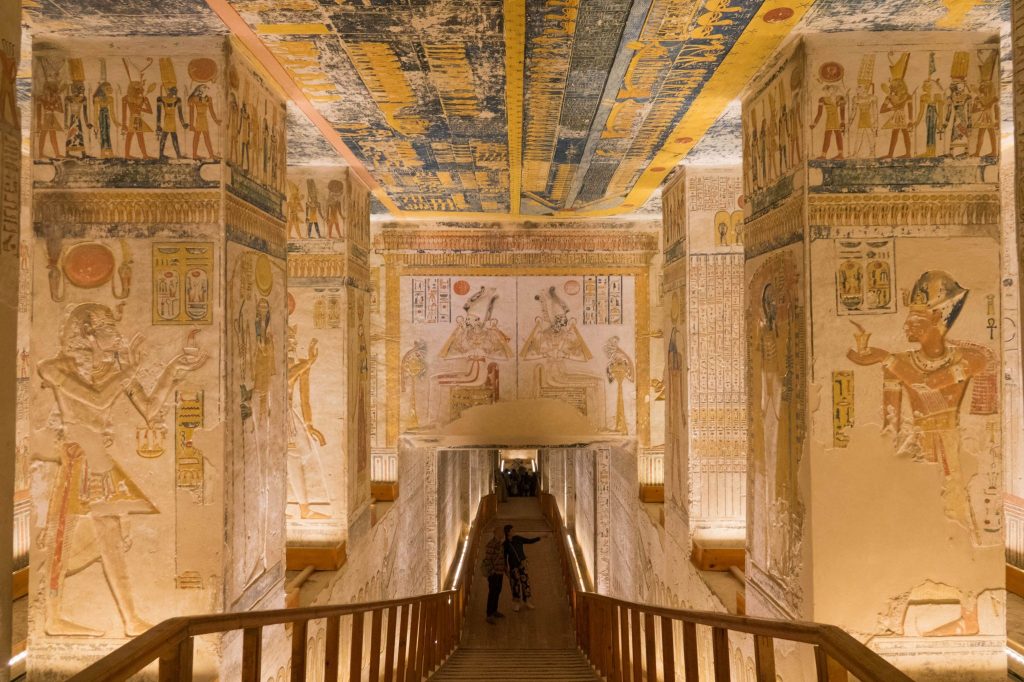
The west bank of Luxor had been the site of royal burials since around 2100 BC, but it was the pharaohs of the New Kingdom period (1550–1069 BC) who chose this isolated valley dominated by the pyramid-shaped mountain peak of Al Qurn (The Horn). Once called the Great Necropolis of Millions of Years of Pharaoh, or the Place of Truth, the Valley of the Kings has 63 magnificent royal tombs.
The tombs have suffered greatly from treasure hunters, floods and, in recent years, mass tourism: carbon dioxide, friction and the humidity produced by the average 2.8g of sweat left by each visitor have affected the reliefs and the stability of paintings that were made on plaster laid over limestone. The Department of Antiquities has installed dehumidifiers and glass screens in the worst-affected tombs. They have also introduced a rotation system: a limited number of tombs are open to the public at any one time. The entry ticket gains access to three tombs, with extra tickets to see the tombs of Ay, Tutankhamun, Seti I and Ramses VI.
The road into the Valley of the Kings is a gradual, dry, hot climb, so be prepared. A tuf-tuf (a little electrical train) ferries visitors between the visitors centre and the tombs (it can be hot during summer). The ride costs LE4. It’s worth having a torch to illuminate badly lit areas but you cannot take a camera – photography is forbidden in all tombs.
Note that:
The best source of information about the tombs, including detailed descriptions of their decoration and history, can be found on the Theban Mapping Project website. Some tombs have additional entry fees and tickets.
Karnak temple
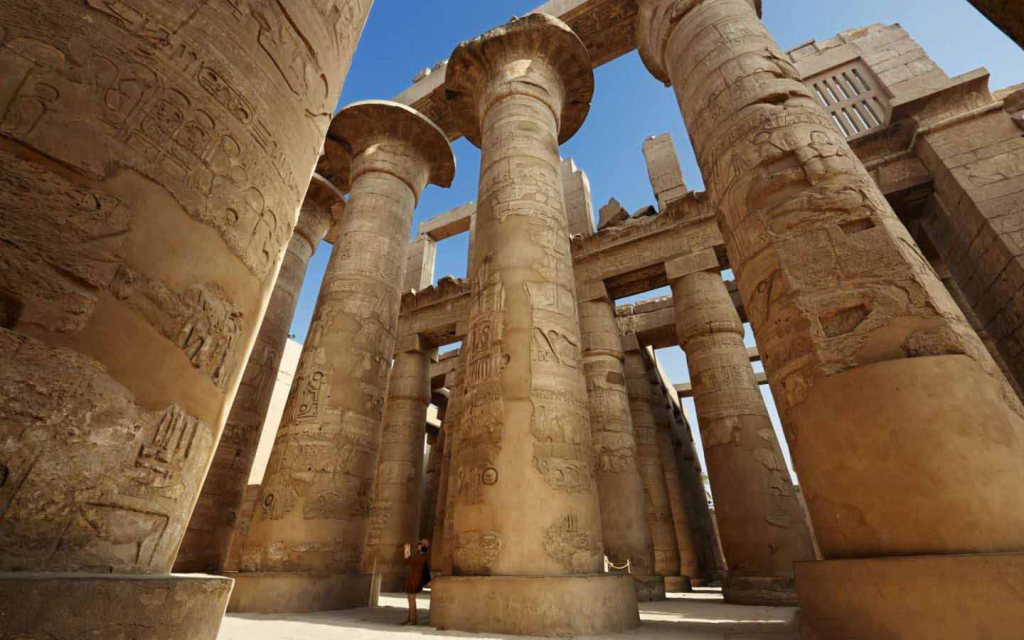
Karnak is an extraordinary complex of sanctuaries, kiosks, pylons and obelisks dedicated to the Theban triad but also to the greater glory of pharaohs. The site covers more than 2 sq km; it’s large enough to contain about 10 cathedrals. At its heart is the Temple of Amun, the earthly ‘home’ of the local god. Built, added to, dismantled, restored, enlarged and decorated over nearly 1500 years, Karnak was the most important place of worship in Egypt during the New Kingdom.
The complex is dominated by the great Temple of Amun-Ra – one of the world’s largest religious complexes – with its famous hypostyle hall, a spectacular forest of giant papyrus-shaped columns. This main structure is surrounded by the houses of Amun’s wife Mut and their son Khonsu, two other huge temple complexes on this site. On its southern side, the Mut Temple Enclosure was once linked to the main temple by an avenue of ram-headed sphinxes. To the north is the Montu Temple Enclosure, which honoured the local Theban war god.
The 3km paved avenue of human-headed sphinxes that once linked the great Temple of Amun at Karnak with Luxor Temple is now again being cleared..
The light is most beautiful in the early morning or late afternoon, and the temple is quieter then, as later in the morning tour buses bring day-trippers from Hurghada. It pays to visit more than once, to make sense of the overwhelming jumble of ancient remains.
Avenue of Sphinx
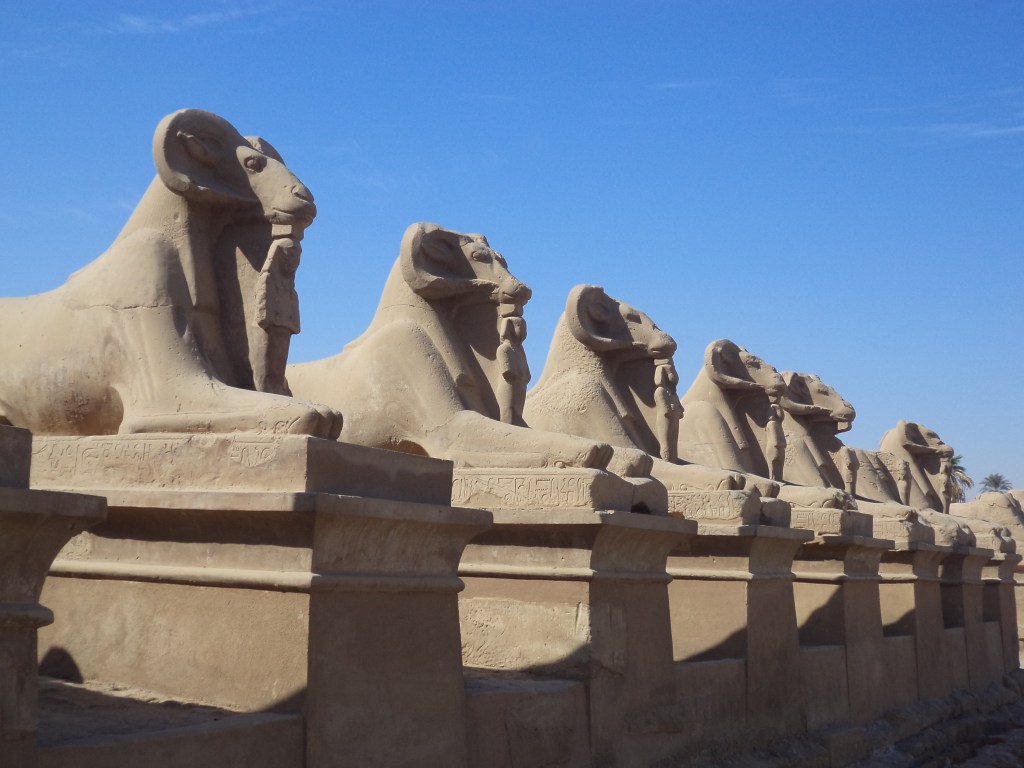
Currently, as of 2014, the continued project to complete the original ‘Avenue of Sphinx’ is ongoing. This when completed, will allow tourists to walk between Karnak and Luxor Temples, the project being that to unearth and restore the 2.7 kilometers long Avenue of Sphinxes that once linked the two Temples. The ancient road was constructed by the pharaoh Amenhotep III and was finally formed under Nectanebo I in 400 BCE. Incredibly, over one thousand Sphinx statues lined the road currently being excavated which was covered by churches, silt, homes, and mosques.
Luxor Temple
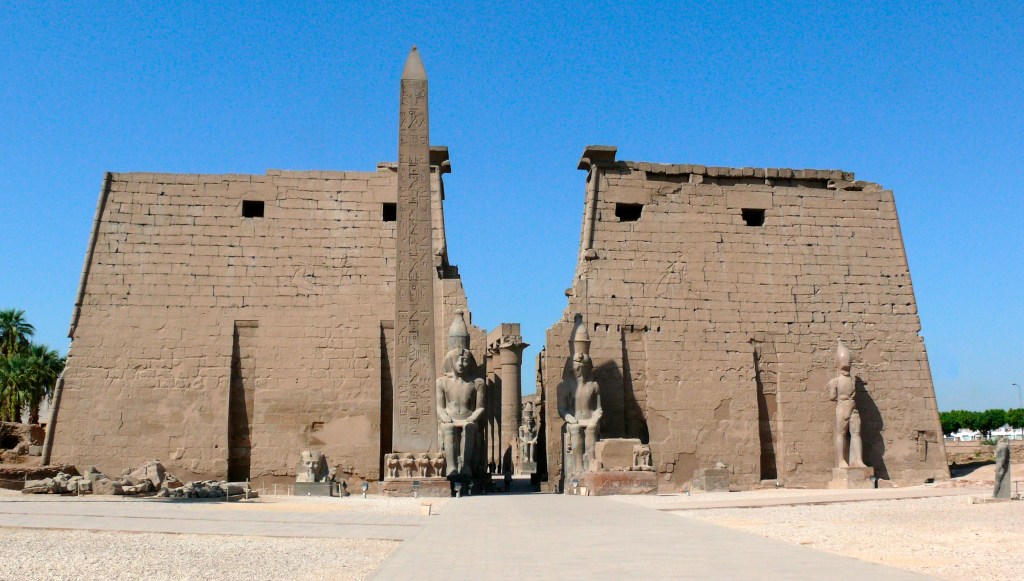
Presiding over the modern downtown district, Luxor Temple is an ode to the changing face of Egypt through the centuries. Built first by Amenophis III (on the site of an earlier sandstone temple), it was known as “the southern harem of Amun” and was dedicated to Amun, his consort Mut, and their son the moon god Khons. Like all Egyptian temples, it comprises the chapels of the deities with their vestibules and subsidiary chambers, a large Hypostyle Hall, and an open Peristyle Court, which was approached from the north by a great colonnade.
The temple was added to and changed by a parade of pharaohs, including Amenophis IV (who obliterated all references to the god Amun within the temple and added the Sanctuary of the god Aten), Tutankhamun (who had the walls of the colonnade embellished with reliefs and in turn destroyed the Temple of the Aten), Seti I (who restored the reliefs of Amun), and Ramses II (who extended the temple significantly, adding a new colonnaded court at the north end). During the Christian era, the temple underwent a transformation into a church, while in the Islamic period, the Mosque of Abu el-Haggag, dedicated to a revered holy man, was built inside the complex grounds.
Temple of Deir al-Bahri (Queen Hatshepsut’s Temple)
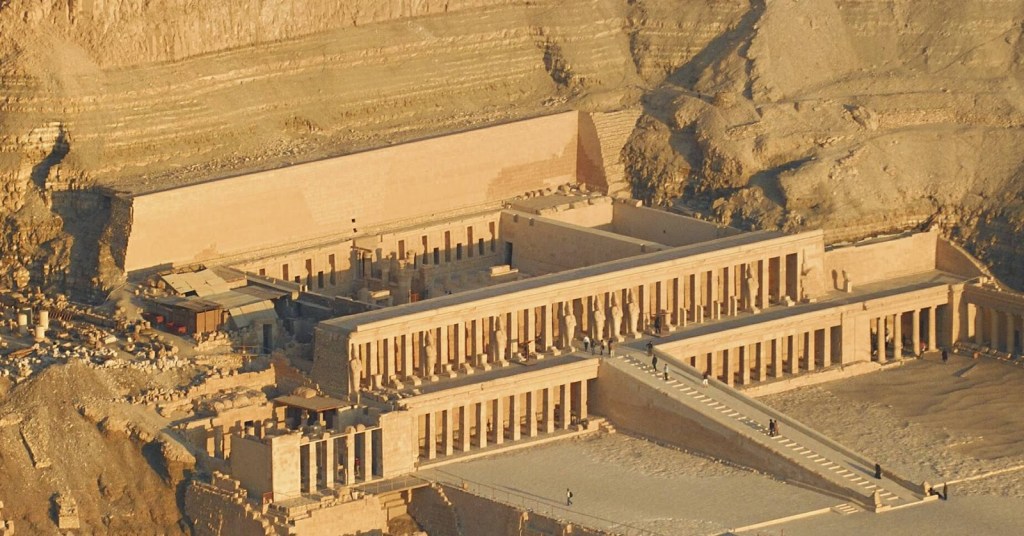
The Temple of Deir el-Bahri is magnificently situated at the foot of the sheer cliffs fringing the desert hills, the light-colored, almost white, sandstone of the temple standing out prominently against the golden yellow to light brown rocks behind. The temple complex is laid out on three terraces rising from the plain, linked by ramps, which divide it into a northern and a southern half. Along the west side of each terrace is a raised colonnade.
The terraces were hewn out of the eastern slopes of the hills, with retaining walls of the finest sandstone along the sides and to the rear. The temple itself was also partly hewn from the rock. Inside, the complex is richly adorned with statues, reliefs, and inscriptions. Note how Queen Hatshepsut had herself represented with the attributes of a male pharaoh (beard and short apron) to demonstrate that she possessed all the authority of a king.
Medinet Habu
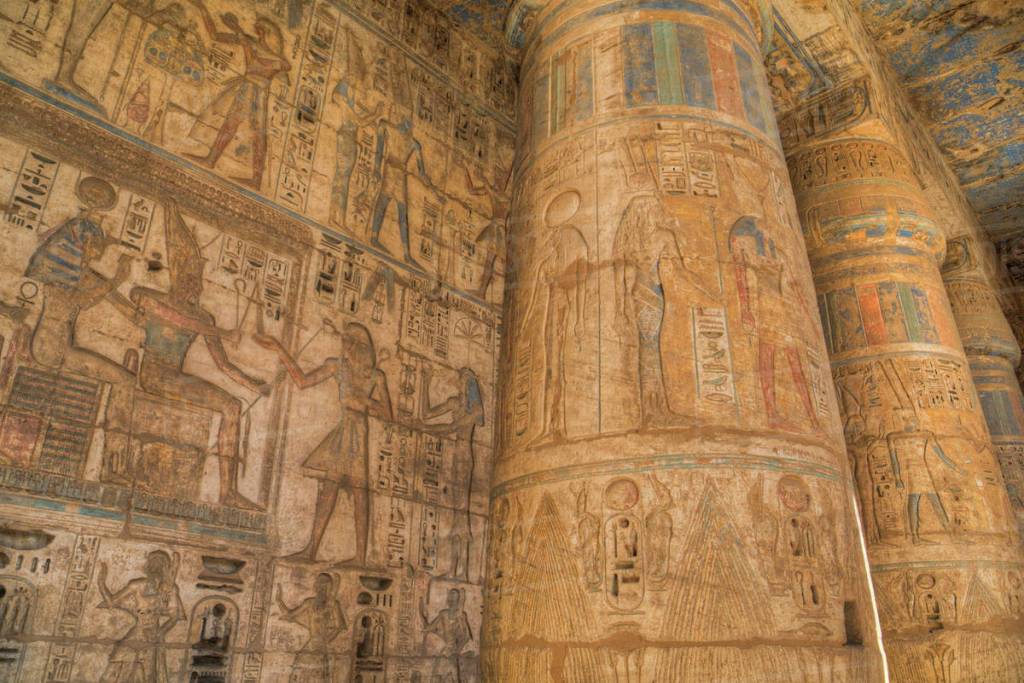
With the famous Valley of the Kings and Temple of Deir al-Bahri the main attractions, Medinet Habu often gets overlooked on a West Bank trip, but this is one of Egypt’s most beautifully decorated temples and should be on everyone’s West Bank hit list. The complex consists of a small, older temple built during the 18th dynasty and enlarged in the Late Period, and the great Temple of Ramses III, associated with a royal palace, which was surrounded by a battlemented enclosure wall four meters high.
The main temple area was built exactly on the model of the Ramesseum and, like the Ramesseum, was dedicated to Amun. The reliefs here are some of the best you’ll see on the West Bank.
Activities to do
Beside being an open air museum, Luxor have more to offer.
Hot air balloon ride
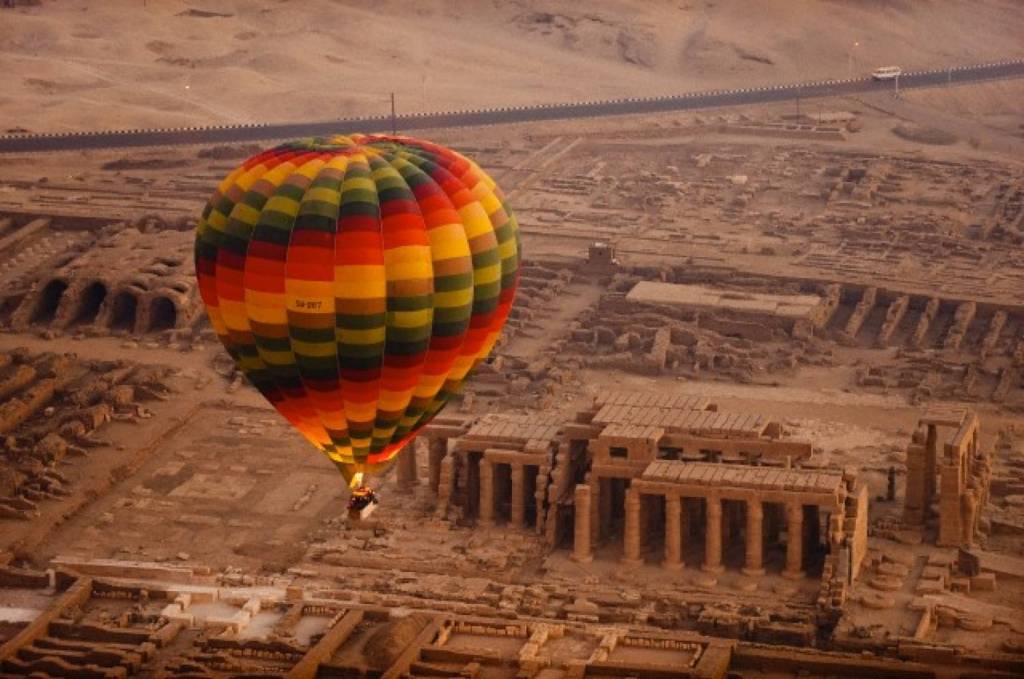
You can head on up for an air balloon ride at sunrise over the Theban Necropolis. Temple hop in Luxor and Karnak (I’d recommend opening time at 6am). Or, you can organise a half day trip to the Temple of Hatshepsut, the Valley of the Kings, Madinat Habu and the Colossi of Memnon.
A hot-air balloon flight is unique from all other experiences of flight as there is no sensation of motion. Traveling at heights of up to 1500 feet, the feeling is one of peace and tranquility. The earth slowly descends and rotates below you. Within moments after lifting off you become at ease while you effortlessly drift over the treetops and the spectacular Luxor landscape. It is like a dream to gently float over the countryside in complete harmony with your surroundings.
Felucca Ride to Banana Island
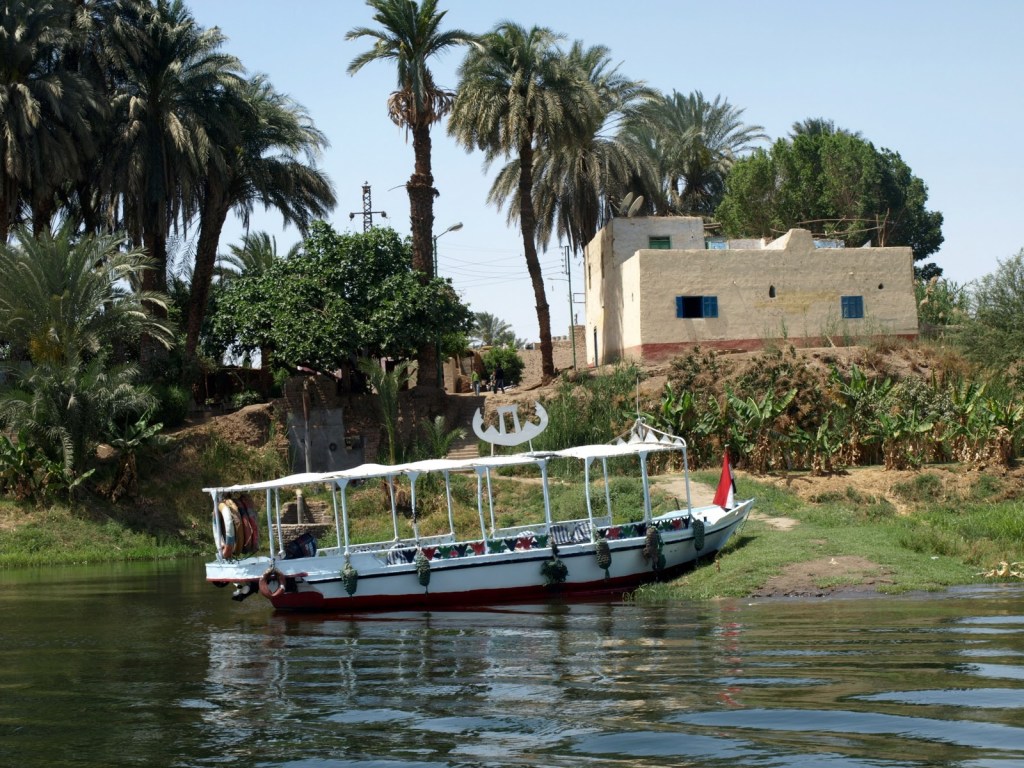
If you’ve had your fill of temples and tombs for the day, there is no better way to relax in Luxor than to take a felucca ride to Banana Island. Five kilometers upriver from Luxor, this teeny palm-shaded island is the perfect chilled-out contrast to the history-filled treasures of the West and East Bank. Hop on a felucca in the late afternoon after a long day of temple and tomb viewing, and sit back to watch the Nile-side views as the boat captain raises the sail and you slide up the river. If you sail back just on sunset, you’ll get to see the river at its most majestic.
 Egypt Travel Guide