
Egypt is a fantastic place, and one of the highlights on the Nile is certainly Aswan. The small city in the far south of the country has been a tourist’s favorite for more than 200 years. And let me tell you, there are quite a lot of things to do in Aswan!
Even Agatha Christie cherished Aswan and wrote one of her most famous books here (Death on the Nile), staying at the fabulous Old Cataract Hotel. That’s why you absolutely need to visit as well.
It’s always hard to pick favorites, and more so in Aswan where everything is lovable! But we’ve still managed to convey what to do in Aswan as briefly as possible to only bring you the best experiences here.
Best Things to do in Aswan
Island tours – See The Gems Studden In The Nile
Elephantine Island
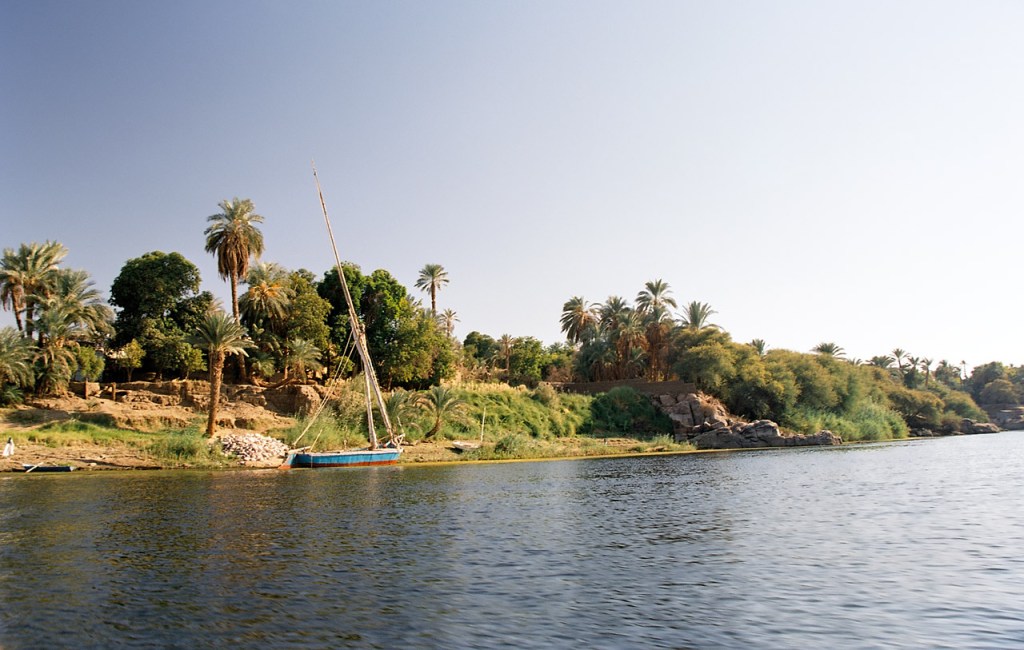
Peppered with palm tree plantations and sloping villages of colorful mud-brick houses, Elephantine Island is Aswan’s major tourist attraction. At its southern end are Aswan Museum and the Ruins of Abu, Aswan’s most ancient settlement, which contains the Old Kingdom Temple of Khnum and the Temple of Satet. The museum building, in a beautiful late 19th-century villa, is partially open, with a collection of artifacts that span Elephantine Island’s history up to the Roman era.
There are frequent local ferries from the boat landing in downtown Aswan to Elephantine, or you can also hire a felucca to sail you around the island.
Kitchener Island – Aswan Botanical Gardens
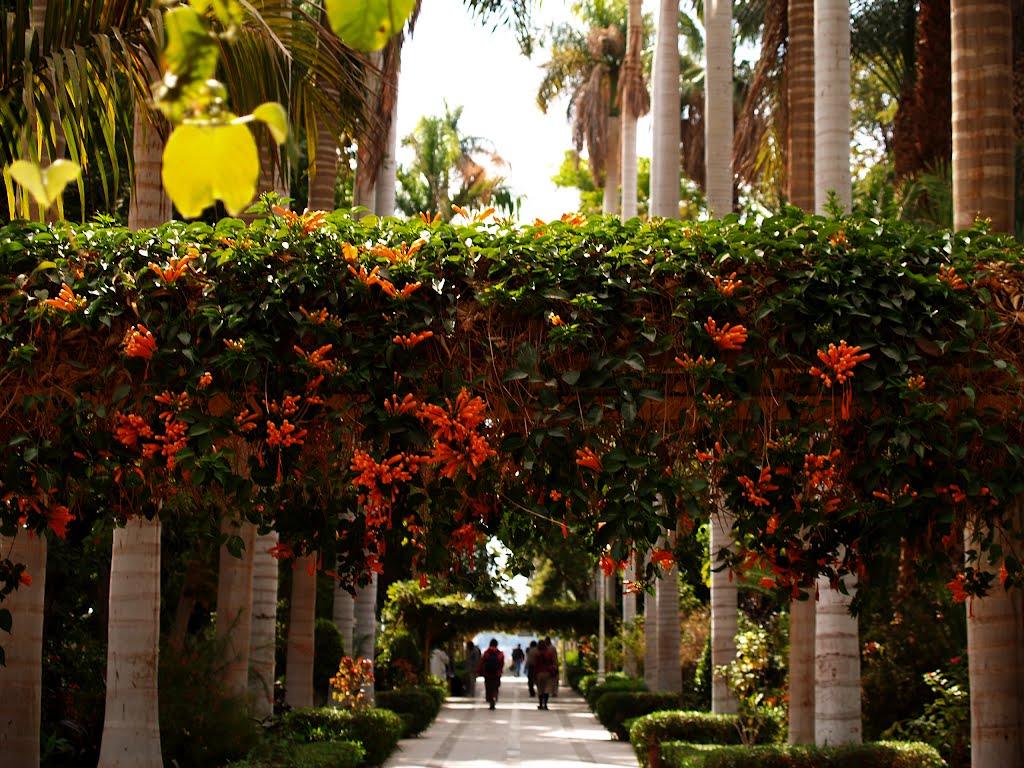
Hitch a cheap boat ride to Kitchener Island where you can visit the famous Temple of the Nobles and the Aswan Botanical Gardens. Thanks to the original owner of the island, Lord Kitchener, the island has turned it into a verdant spectacle of exotic plants from Asia and Africa. Strolling in these vast gardens are amongst the most unmissable things to do in Aswan, especially for couples and nature lovers.
Explore museums
Nubian Museum
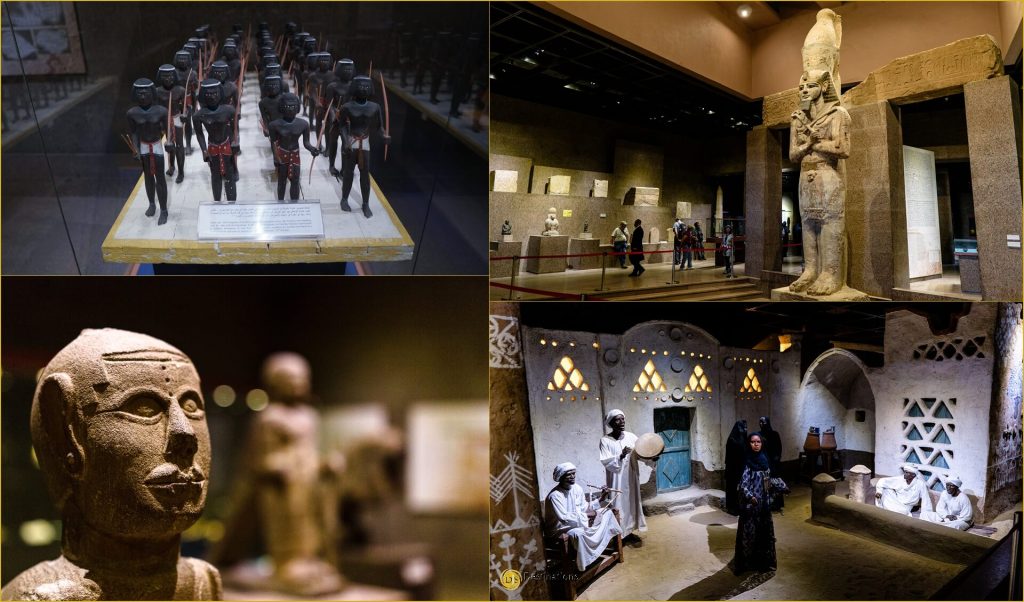
It’s amongst Egypt’s best and has documents demonstrating the plight of people relocated to build the Aswan Dam and Lake Nasser. It even has pictures of ancient monuments lost under the waters of this lake owing to the construction of this dam. It houses artifacts of the Kush Kingdom as well as old statues of Ramses II, Amenras, the head of the Shpatka, and the black granite head of Tahraqa.
Aga Khan Mausoleum
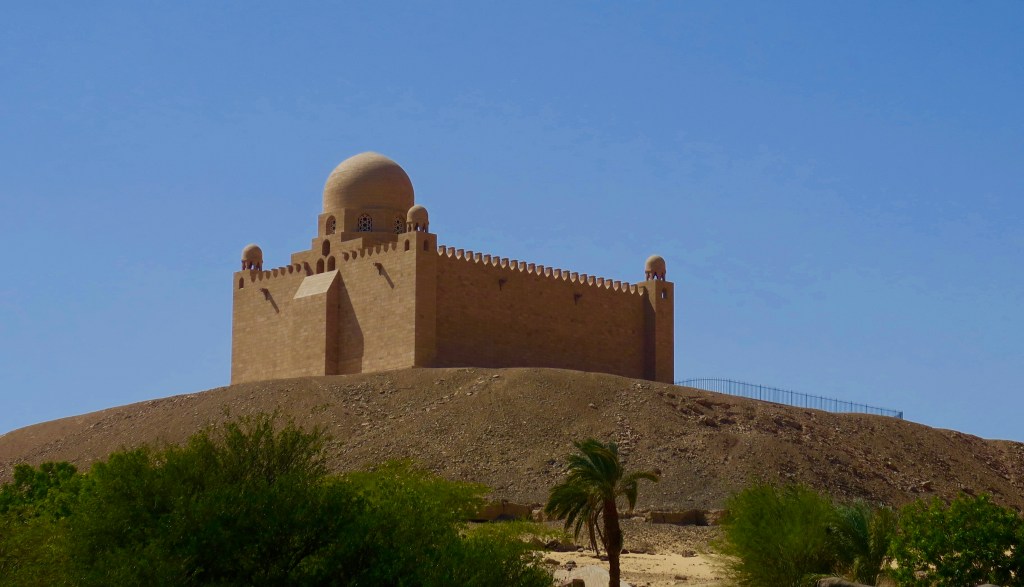
Siting high over the Nile’s bank, this museum is dedicated to Sir Sultan Muhammad Shah (1877-1957), the leader of the Shi’a Islam Nizari Ismaili sect who played an influential role in the partition of India. The mausoleum has his tomb and tells about his contributions and the extensive charity he did in Asia and Africa.
Animalia
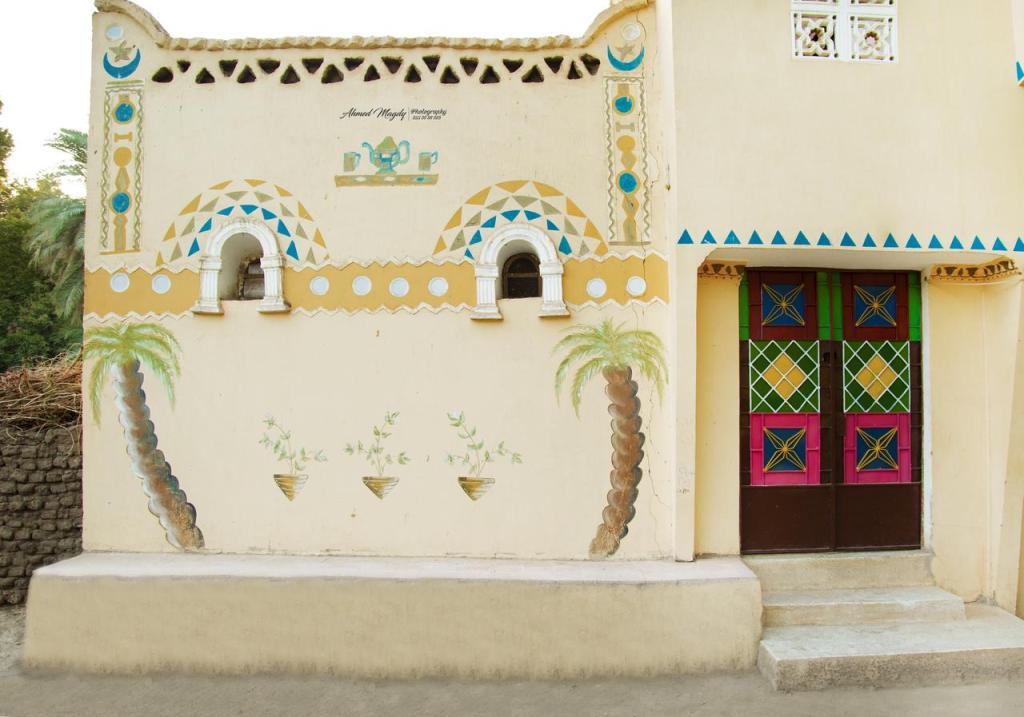
A delight for kids, this small museum is dedicated to showcasing the traditions, flora, fauna, and history of Nubia. It’s collection of stuffed animals endemic to Nubia, iconic photographs of the pre-flooded Lake Nasser, as well as samples of sedimentary rocks are sure to enthrall you! You can also buy Nubian crafts here.
Temples and ancient ruins
Abu Simbel
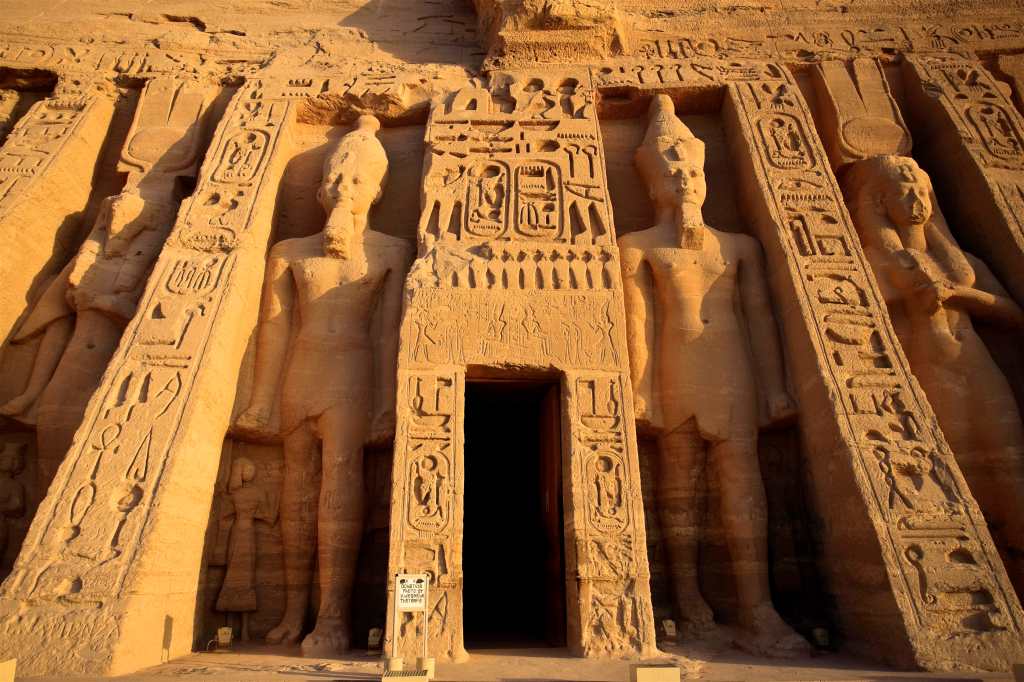
If you have time for only one day trip from Aswan, pick a visit to Abu Simbel. Built by Ramses II, and saved from destruction by a remarkable UNESCO rescue project in the 1970s, Abu Simbel is not only a triumph of ancient architecture, but also of modern engineering. The mammoth scale of the Great Temple of Ramses II and the Temple of Hathor, sitting on the banks of Lake Nasser, trumps everything else in Egypt and has to be seen to be believed.
Most people come to Abu Simbel by tour. This private Abu Simbel minibus tour transports you by minibus to the temples and includes entry and tours of both temples with an Egyptologist guide. If you’re shorter on time, or simply don’t fancy the four-hour road trip there and back, this private Abu Simbel tour with flights includes return flight from Aswan to Abu Simbel, temple entrance fees, and a guided tour of both temples with an Egyptologist guide.
Philae Temple
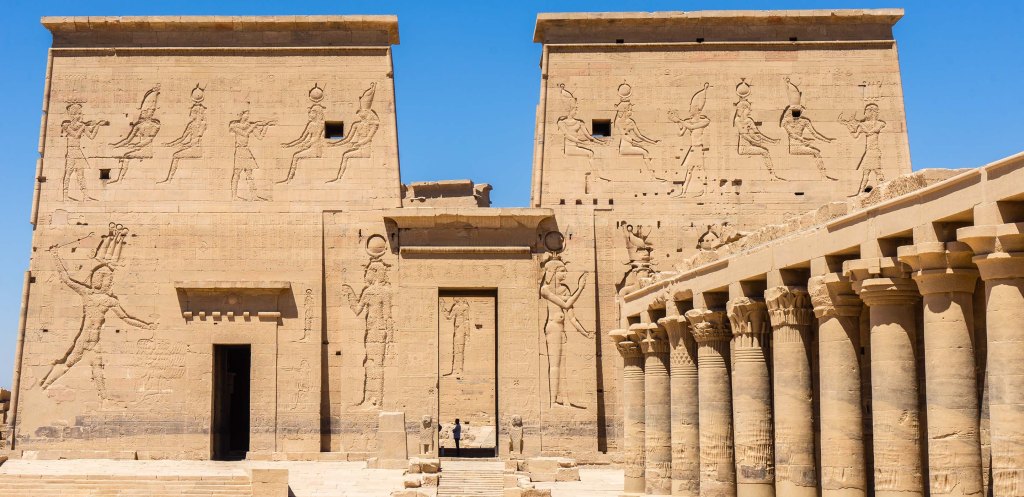
The sacred Temple of Isis (more commonly known as Philae Temple) is one of Upper Egypt’s most beguiling monuments both for the exquisite artistry of its reliefs and for the gorgeous symmetry of its architecture, which made it a favorite subject of Victorian painters. Like Abu Simbel, the temple was saved by the rising waters of Lake Nasser by UNESCO’s rescue project and moved lock-stock-and-barrel from its original home on Philae Island to nearby (higher) Agilika Island where it sits today.
The Temple of Isis, a center for the ancient cult of Isis, is the main part of the Philae complex, but the island is also home to the Temple of Hathor, the Kiosk of Trajan, and various other buildings from the Roman and Byzantine periods. You can easily reach the temples by taxi from Aswan, although most people arrive here as part of an Abu Simbel day trip tour.
Unfinished Obelisk
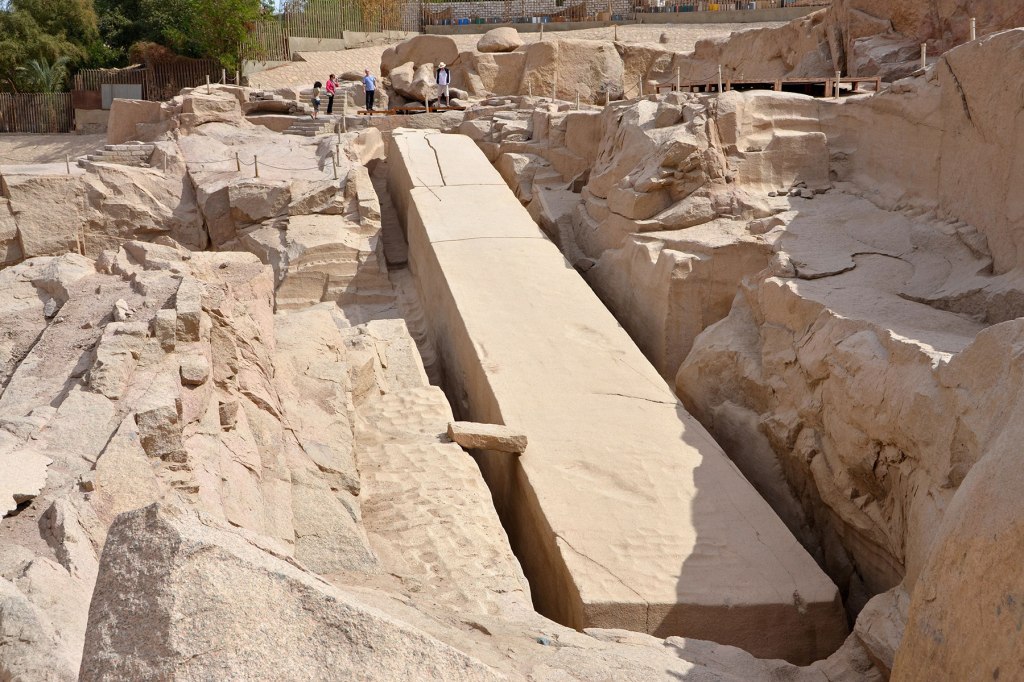
How did the Egyptians build their pyramids? How did they build their temples? While we know pretty much everything about their funeral rites and gods, the tombs and steles of the Pharaohs very seldom depicted everyday crafts. Aswan is home to an ancient granite quarry, where you can see the unfinished obelisk.
The top of the gigantic obelisks (one third bigger than any other ever built) cracked at one point before it was finished, so the project was abandoned. The remains, give us a fairly good idea just how these gigantic monoliths were created without the help of steel & dynamite.
Other things to do in Aswan
Aswan High Dam
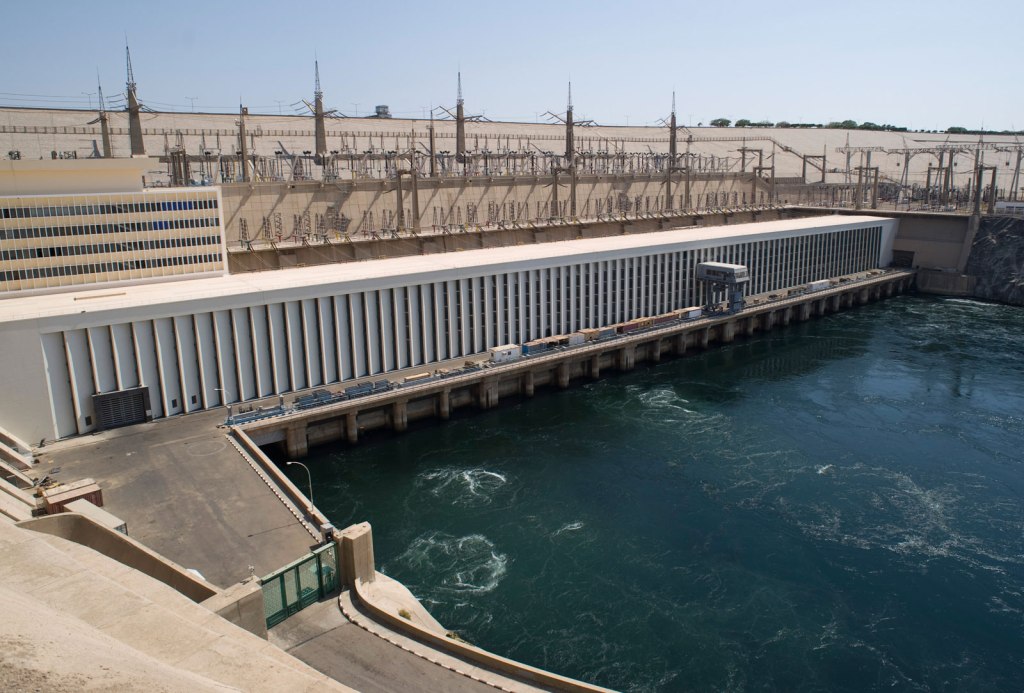
Egypt’s modern example of construction on a monumental scale, the controversial Aswan High Dam, 13km south of Aswan, contains 18 times the amount of material used in the Great Pyramid of Khufu and created Lake Nasser, one of the world’s largest artificial lakes.
At the dam site is a small pavilion with displays detailing the dimensions and the construction of the dam; on the western side is a monument honouring Soviet-Egyptian friendship and cooperation.
Test the Nilometer
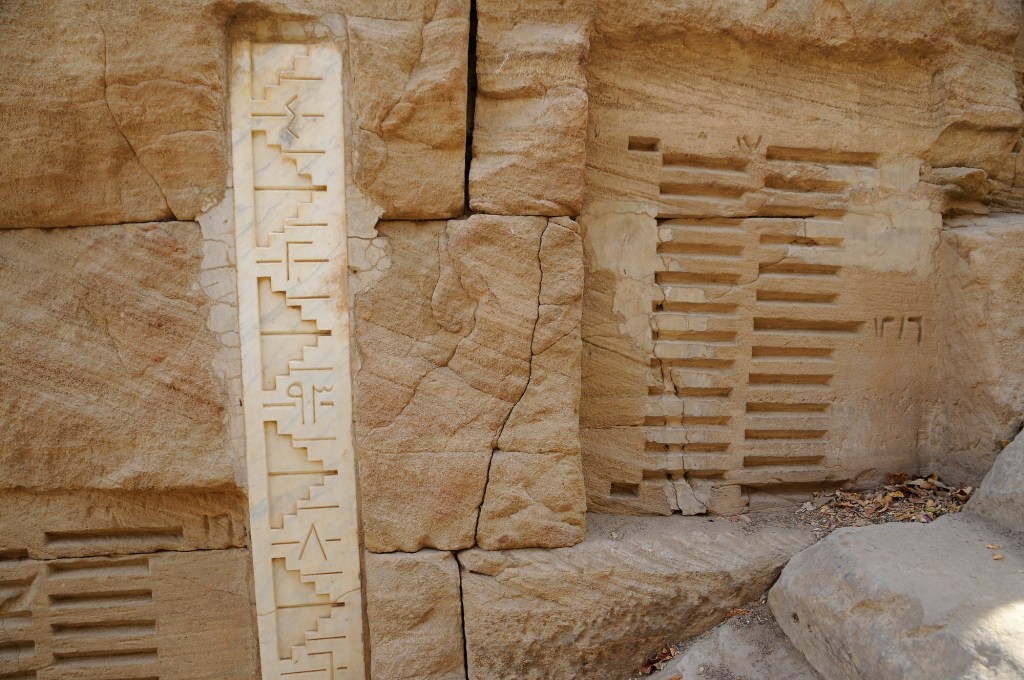
Situated within Aswan Museum complex, it’s an incredible measuring system the ancient Egyptians used to assess the height of the Nile.
A “guide” will show you the way to go after the entrance. It’s a basic service, with little English, but helpful anyway and free – besides a tip of course… this is Egypt after all!
With steps that lead down to the river and clever markings that help judge its height, this is a fascinating glimpse into the highly sophisticated skills of a civilisation that existed here over 3,000 years ago.
At the bottom of the Nilometer is a nice archway, framed perfectly for your Instagram shots and you can even sit on the bottom step and cool off by dipping your toes in the world’s most famous waterway!
Have a Drink at the Old Cataract Hotel
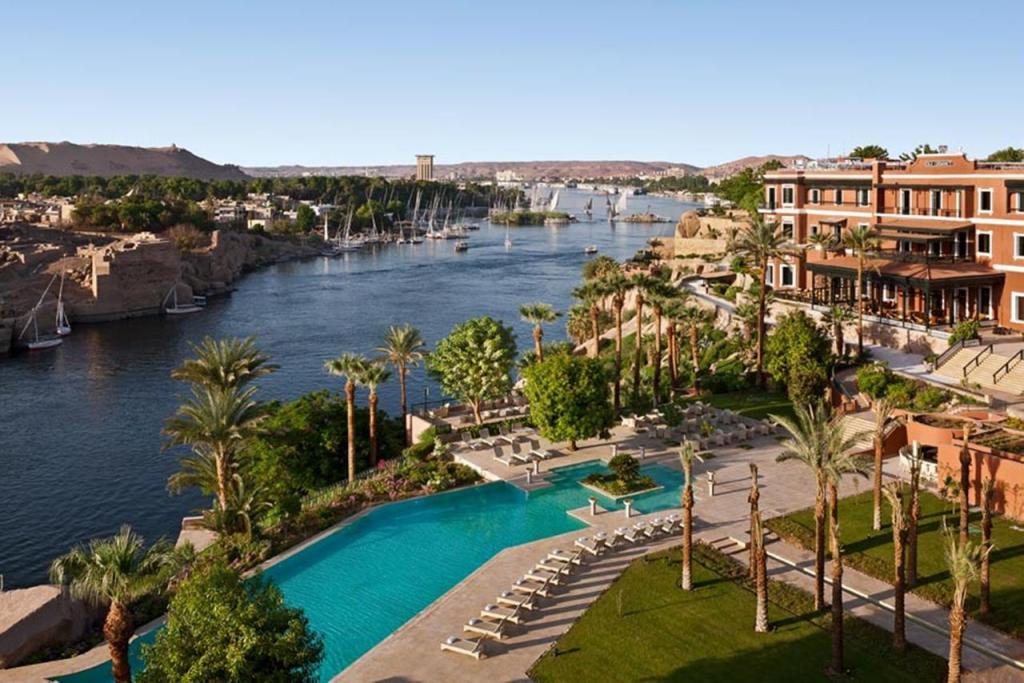
Cataract hotel is a historic hotel, it’s a former British colonial property now managed by Sofitel, where you can retreat to for a drink or to sit in a shaded garden, following the footsteps of legendary travellers.
Inside the hotel you’ll find crimson chandeliers, Moorish domes, Persian carpets, and a timeless decadent feel throughout.
The walls of the lobby are adorned with photos of former guests like Lady Diana, Winston Churchill and Agatha Christie, who also used the hotel as a setting for her novel Death on the Nile.
Rooms with Nile view can be had for about €250, which is a steal considering that the hotel is absolutely stunning. Otherwise, you can still experience the atmosphere visiting the panoramic terrace with views over the Nile and Elephantine for a cup of tea or karkade.
Visit Gharb Seheyl
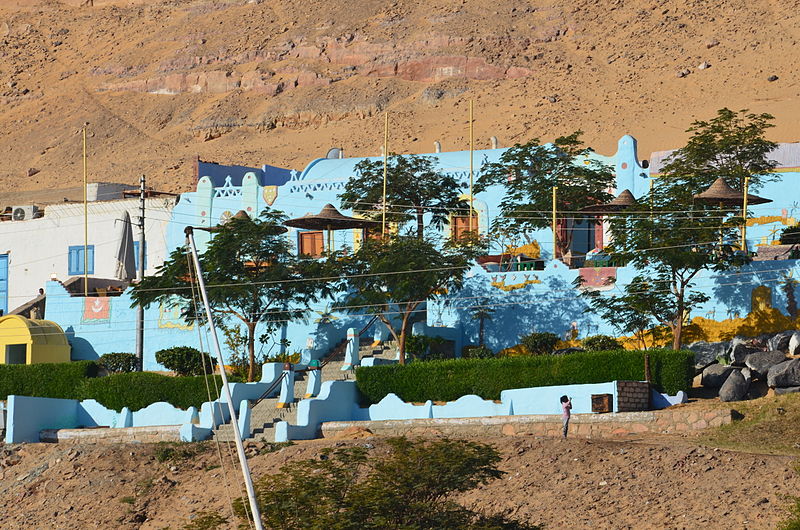
Gharb Seheyl, the village opposite Seheyl island, has become a popular tourist attraction of late, both with excursions from Aswan and for those looking for a quieter pace of life. The colourful Nubian houses are a treat, there is a nearby beach for safe swimming, camel rides and a small Nubian crafts souq. A selection of laid-back guesthouses make it a popular stop to hang out for a few relaxing days.
The best way to get here is by motorboat or felucca from the Corniche in Aswan (LE80 to LE100), or by road from the Aswan Dam.
 Egypt Travel Guide